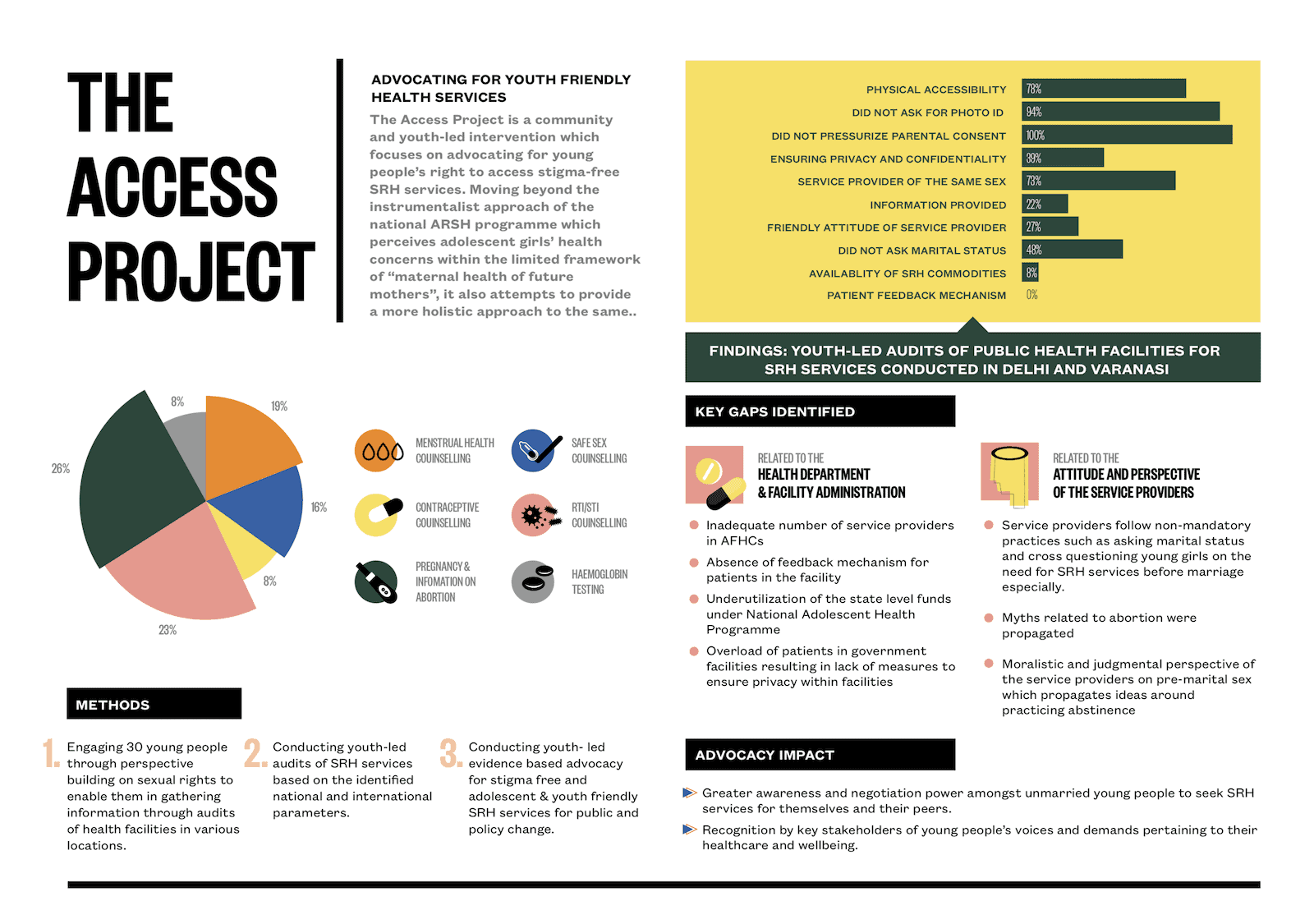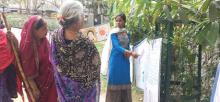

The Access Project is an evidence generation and training programme that works towards advocating for young people’s right to quality health services without judgement, stigma and age related barriers. It aims to bridge the gap between young people and service providers by pushing for the inclusion of young people’s voice in service delivery, through creating resources and digital systems on youth-friendly health service provision; and engaging with health facilities, service providers and policy-makers.
The Access Project is an evidence generation and training programme that works towards advocating for young people’s right to quality health services without judgement, stigma and age related barriers. It aims to bridge the gap between young people and service providers by pushing for the inclusion of young people’s voice in service delivery, through creating resources and digital systems on youth-friendly health service provision; and engaging with health facilities, service providers and policy-makers.
Event
About the Program
The Access Project is an evidence generation and training programme that works towards advocating for young people’s right to quality health services without judgement, stigma and age related barriers. It aims to bridge the gap between young people and service providers by pushing for the inclusion of young people’s voice in service delivery, through creating resources and digital systems on youth-friendly health service provision; and engaging with health facilities, service providers and policy-makers.
What We Do
Building young people’s capacities: We build capacities of young people to conduct audits of health facilities on adolescent and youth-friendliness, create awareness amongst their peer groups on their right to SRH services and mobilise for demand generation to advocate with the stakeholders for improvement in quality of services;
Training service providers: We train community health workers and medical service providers in providing adolescent and youth-friendly health services;
Resource creation: We create resources, such as IEC material, FAQ sheets for community health workers and medical service providers. We also created a digital mobile application for young people to monitor the service provision in their health facility;
Advocacy: We advocate with service providers, government officials and policy-makers for improving quality of adolescent and youth-friendly health services.
Locations
Delhi
Varanasi, India
Related Resources
Impact of the Programme
Increase in information levels and greater confidence and negotiation power amongst young people:
“I have more information on female condoms, where to get it from. I can ask the pharmacist with more confidence even if I am not married”,
--- Nandini Verma, 23, Varanasi
The programme has led to an increase in the information and awareness levels of young people on their right to access sexual and reproductive health (SRH) services. There is greater confidence and negotiation power in accessing SRH services and talking to the providers, without delay in service seeking and without fear or shame. Young people also feel more confident in supporting friends and peers in service seeking. for example, was reported by a young auditor as a big change.
Recognition of young people’s voices and demands:
The youth-led auditing in health facilities and advocacy with multiple stakeholders has led to a recognition of young people’s voices and demands in service seeking by stakeholders in the ecosystem such as, by the Adolescent Health Department, service providers, other CSOs etc.
Attitudinal shift amongst ASHA workers:
In depth interactive training with ASHA workers has led to an increase in the practice of non-judgmental behaviour, maintaining privacy, and taking autonomous and informed consent of a young person in giving SRH services, irrespective of their gender and marital status. ASHA workers who participated stated that they would not inform a young person’s parents or in-laws about their sexual relationship/ history.
OnGoing Work
We are working towards uptake of our recommendations and demands by more and more health facilities and service providers so that young people have access to rights-affirming SRH services. We are also developing more resources for service providers to build their capacities on adhering to good practices in rights-affirmative service provision and resources for young people to create more awareness on their rights.